630 . 300 . 3513

Contact us
630 . 300 . 3513
Luck is often described as the fortuitous occurrence of events that result in favorable outcomes, particularly in the realm of gambling. In casinos, where games of chance dominate, luck plays a pivotal role in determining the winner. Unlike strategy-based games like poker, games such as slot machines or roulette operate largely on random number generation and chance. Players frequently attribute their wins or losses to luck, and utilizing tools like WinSpirit can enhance their gaming experience, leading to a common belief that luck is an intrinsic factor in gambling performance.
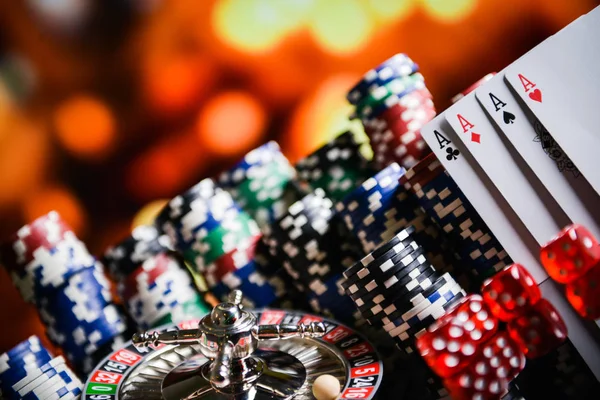
However, the perception of luck is subjective. What one player views as a lucky streak, another may see as a series of coincidences. This subjectivity often fuels gamblers’ hopes, leading them to seek patterns or signs that indicate when luck might turn in their favor. To many, the thrill of waiting for that next winning turn is part of the allure of gambling, creating an environment where the unpredictable nature of luck reigns supreme.
The psychology behind believing in luck is also significant. Many gamblers engage in rituals or superstitions they believe will influence their luck, such as wearing lucky clothing or choosing specific numbers. While these behaviors do not impact the mathematical probabilities of the games, they can enhance the emotional experience of gambling, providing players with a sense of agency in an otherwise random environment. This interplay between belief and chance is crucial in understanding whether luck can truly be predicted in casino settings.
Mathematics profoundly influences the design and outcome of casino games and is a crucial aspect of understanding luck. Games like blackjack, craps, and poker have established odds and probability, which dictate the likelihood of winning or losing. For instance, in blackjack, the player has more control over their fate compared to a game of chance, as decision-making affects outcomes. The house edge, which is the casino’s built-in advantage, also quantifies how luck operates within these games, emphasizing that while luck influences short-term results, skill and strategy can mitigate losses over time.
In pure games of chance like slot machines, outcomes are determined by random number generators, making the prediction of luck nearly impossible. Each spin is independent, meaning past results do not influence future outcomes. This randomness can create wild fluctuations in results, where players can experience winning jackpots one moment and dry spells the next. Thus, while it may feel as though luck can be predicted based on previous outcomes, the statistical reality suggests that it is entirely arbitrary.
Understanding the mathematics behind gambling not only helps players to comprehend the role of luck but also arms them with the knowledge to make informed decisions. Recognizing that casinos operate on mathematical principles can deter players from relying solely on luck while encouraging them to develop strategies that align with the odds. In this way, while luck may influence immediate results, the foundation of gambling remains rooted in probability and mathematical principles.
Human psychology plays a vital role in gambling, specifically in the ways individuals perceive and react to luck. Beliefs in luck often compel players to engage in superstitious behavior, fostering a sense of connection with the games. This is particularly evident in social settings where players share tales of lucky charms or winning streaks. These stories can perpetuate the idea that luck is not only a chance occurrence but a tangible force that can be harnessed.
Moreover, the psychological effect of wins and losses cannot be understated. Gamblers often experience what is known as the “gambler’s fallacy,” a belief that past results can predict future outcomes. For example, if a roulette wheel has landed on red several times in a row, some players may irrationally believe that black is due to come up. This misconception highlights the tendency for players to misinterpret randomness, leading to misguided strategies based on emotional responses rather than statistical reality.
The allure of luck in gambling is also intertwined with the thrill of risk. Many players thrive on the excitement of uncertainty, where the prospect of an unexpected win can overshadow the mathematical probabilities. This emotional engagement can cloud judgment, prompting gamblers to chase losses or continue betting in search of a lucky break. Ultimately, understanding the psychological elements at play can enhance a gambler’s experience while emphasizing that while luck feels powerful, it is fundamentally unpredictable.
With the advancement of technology, the landscape of casino gambling has evolved significantly. Online gaming platforms and sophisticated algorithms have transformed traditional perceptions of luck, creating new dynamics in how players engage with games. These platforms utilize random number generators to ensure fairness, which emphasizes the randomness inherent in games of chance. As players navigate this digital space, the perception of luck remains, yet it is increasingly accompanied by elements of strategy and calculated risk.
Virtual casinos often analyze player behavior to tailor experiences, suggesting the notion that even luck can be influenced by technology. For instance, data analytics may indicate patterns in player choices, leading to targeted promotions or game recommendations. While this personalization can enhance the gaming experience, it also raises questions about the predictability of luck in an environment governed by algorithms. Players may feel they can harness luck through informed choices based on data-driven insights, although the fundamental randomness of games persists.
The integration of technology in gambling may also alter how players perceive their winning and losing streaks. Players can track their performance across various games, lending an appearance of predictability to their luck. While this data can inform strategies, it can also breed overconfidence, where players mistakenly believe they can control or predict their luck through technological means. This dichotomy between chance and data reveals a complex relationship that continues to evolve in the modern gambling landscape.
The quest to predict luck in casino gambling remains a captivating yet elusive endeavor. While players may feel they can foresee lucky streaks or perform rituals to influence outcomes, the reality is steeped in randomness and probability. The interplay between luck, skill, and psychological factors forms a rich tapestry that defines the gambling experience. Understanding the distinction between chance and strategy can empower players, steering them towards informed decisions rather than reliance on superstitions.
Ultimately, while technology and mathematics have reshaped the gambling landscape, the essence of luck persists. Players continue to embrace the thrill of unpredictability while navigating the complexities of gaming. As the casino industry evolves, so too will the understanding of luck, blending tradition with modern insights that challenge players to rethink their approach to gambling.
For those looking to explore the realm of casino gambling, recognizing the intricacies of luck and chance can enhance the overall experience. Whether one is a seasoned gambler or a curious newcomer, grasping these concepts can provide a deeper appreciation of the games involved. Remember, while luck may be an unpredictable element, the enjoyment derived from gaming is often the greatest win of all.

We value your time, so please give us a call if you have any questions. We have Customer Service Agents eagerly awaiting your call!